Identifying and Addressing Common Microwave Issues
Microwaves have become a staple appliance in most kitchens, offering convenience and efficiency. However, like any appliance, they can encounter issues over time. One of the most common problems is when a microwave stops heating food properly. Understanding the root causes of these issues can help you address them more effectively. This guide will help you navigate through the potential problems and solutions, ensuring your microwave continues to serve you well.
Why Your Microwave Isn’t Heating
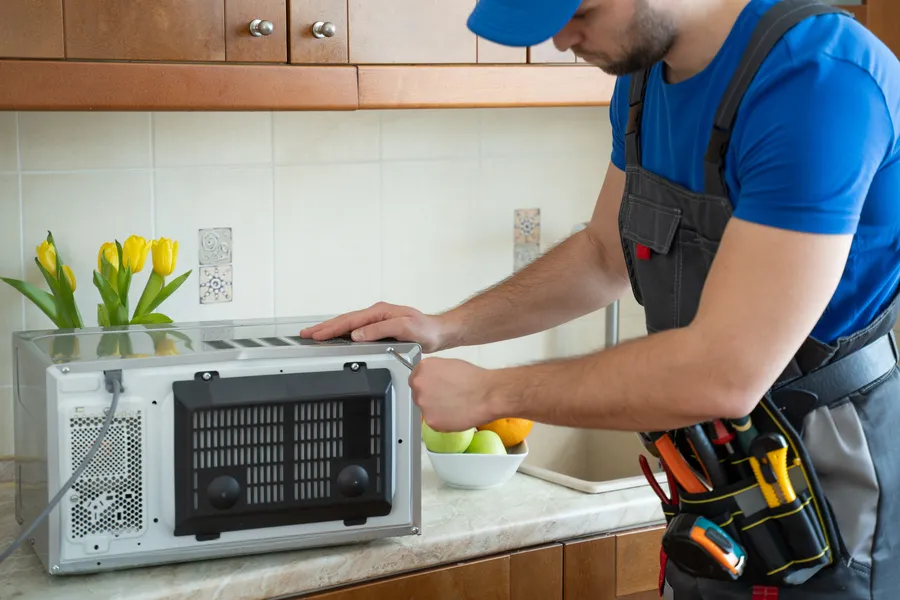
There are several reasons why a microwave might not heat food correctly. One common cause is a malfunctioning magnetron. The magnetron is responsible for generating the microwaves that heat food. If it fails, your food won’t heat. Another possibility is a faulty diode, which helps convert the high voltage needed for the magnetron. If this component is damaged, it can lead to heating problems.
Signs You Need Microwave Repair
If your microwave is making unusual noises or shows signs of electrical problems, it might be time for professional help. These symptoms can indicate internal issues that require expert attention. Microwave repair services can diagnose and fix issues like faulty door switches or burned-out components. It’s essential to address these problems promptly to avoid further damage.
Solutions for Heating Problems
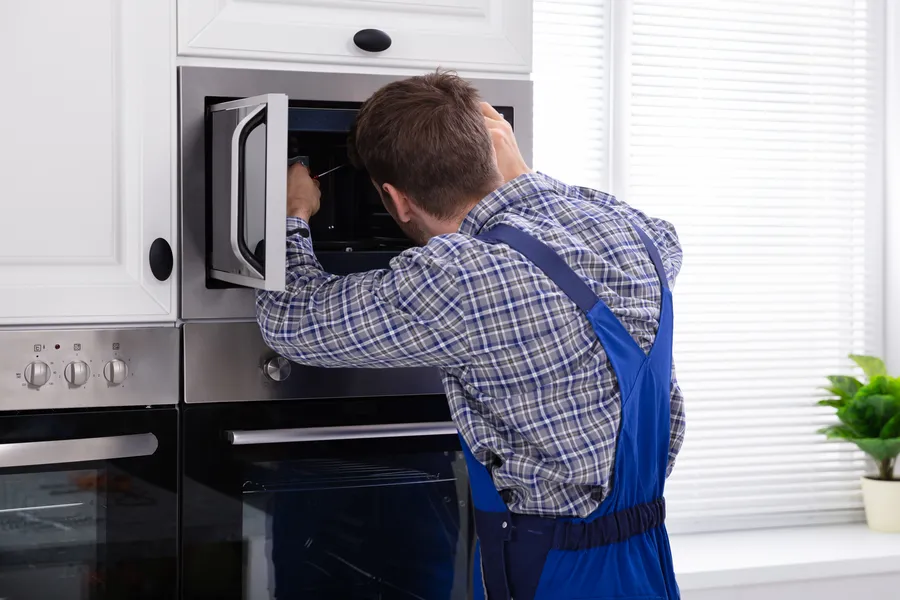
To resolve heating issues, start by checking simple components like the power source and door seals. Ensure the microwave is plugged in and the door closes properly. If these aren’t the problem, it might be time to call a professional for microwave repair. For those comfortable with DIY, testing the continuity of the magnetron and diode with a multimeter can be a useful step in troubleshooting. Always ensure the appliance is unplugged before attempting any repairs.
Best Practices for Microwave Maintenance
Regular maintenance can prevent many common issues. Here are some tips:
- Clean the interior regularly to avoid buildup and potential fire hazards.
- Inspect the door seal for cracks or wear, which can compromise efficiency.
- Avoid slamming the door to protect delicate switches and components.
- Use only microwave-safe containers to prevent damage to the appliance.
Understanding Industry Standards
Microwaves must adhere to safety standards set by regulatory bodies like the FDA. These regulations ensure the safe operation of microwaves in homes. Manufacturers follow strict guidelines during production, but it’s essential for users to maintain their appliances according to these standards. Regular checks and following usage guidelines enhance safety and prolong appliance life.
Cost Considerations for Microwave Repair
Repair costs vary based on the issue’s complexity and the parts required. Simple repairs might cost less, but more extensive problems like replacing a magnetron can be more expensive. Weighing the costs of repair against purchasing a new unit is crucial. Often, repairing is cost-effective compared to buying new, especially if the microwave is relatively new or high-end.
Final Tips for Keeping Your Microwave Running Smoothly
For consistent performance, prioritize regular cleaning and inspection. If issues arise, consider both DIY troubleshooting and professional services. Located in Brooklyn, NY, we offer comprehensive support for all your microwave needs. Contact Expert Repair Appliances at (929) 403-1040 for expert advice and assistance tailored to your situation. Our team is dedicated to providing quality solutions that extend your appliance’s lifespan.